The Best Climbing Plants for Your Home's Pergola
Transform Your Pergola: Beautiful Climbing Plants and Decor Ideas
Climbing plants for a pergola can turn a simple backyard structure into something magical. As vines wind up the posts and stretch across the beams, the pergola becomes a living canopy of leaves and flowers that filters the sun and creates welcome shade on hot summer afternoons.
Across southeastern Pennsylvania, many homeowners decorate their pergolas with flowering vines, leafy climbers, and hanging plants. The space begins to feel like a small oasis of calm where the air smells sweet, the shade feels cooler, and the garden surrounds you.
At Wyomissing Structures, we’ve seen how the right pergola plants can transform an outdoor space into a peaceful place to relax and enjoy the beauty of the season.
What You’ll Discover in This Guide
• The best climbing plants for a pergola, including flowering vines and leafy climbers that thrive in climates like Pennsylvania.
• Low-maintenance pergola plants that add beauty and shade without constant pruning or upkeep
• Simple tips for how to grow vines on a pergola so plants climb naturally along posts and beams
• Creative ideas for decorating a pergola with plants, including hanging flowers, garden beds, and layered greenery
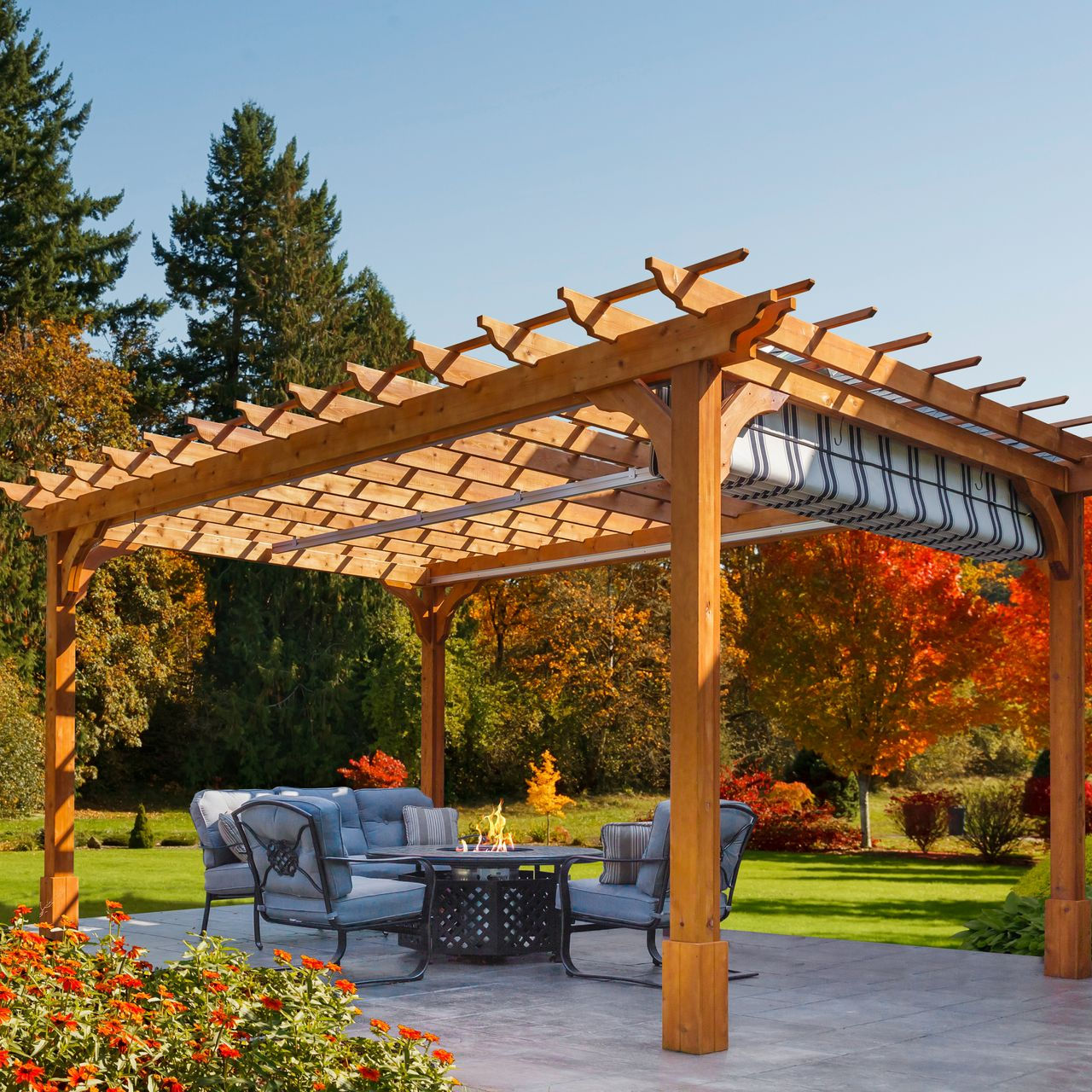
• Design inspiration for pairing plants with cedar and vinyl pergolas to create a shaded outdoor retreat
To see why these plants work so well, it helps to first understand how pergolas naturally invite vines, flowers, and greenery to grow upward and create that cool, shaded canopy.
Why Climbing Plants Work So Well on Pergolas
Pergolas and climbing vines are a natural pair. The strong vertical posts and open beams give vines a clear path to grow upward, allowing leaves and flowers to spread across the structure over time.
As the plants climb, they begin to soften the pergola’s lines. The growing canopy creates dappled shade, filtering sunlight and making the space beneath feel cooler on warm summer days.
It’s a beautiful partnership. The pergola provides the structure, and the plants bring color, fragrance, and life to the space. Strong cedar and vinyl pergolas, like those built by Wyomissing Structures, can also support the weight of mature vines far better than fences or exterior walls, giving climbing plants the room they need to grow for years.
How to Choose the Right Climbing Plants for a Pergola
Think about the kind of outdoor space you want your pergola to become. You might love the idea of fragrant vines like honeysuckle that fill the air on warm evenings, or you may prefer flowering climbers like clematis or roses that bring color and texture to the space.
Some vines grow quickly but need regular pruning, while others are easier to manage as they climb. A few simple factors can help guide your choice:
• Sun exposure. Many climbing plants for a pergola, including roses and wisteria, thrive in full sun, while others tolerate partial shade.
• Growth speed. Fast-growing plants like honeysuckle can quickly cover a pergola and provide shade sooner.
• Maintenance level. Some pergola plants need regular pruning to stay under control, while others require very little upkeep.
• Local climate. In southeastern Pennsylvania’s Zone 6–7 climate, many hardy climbing vines grow well through warm summers and cold winters.
Once you know the atmosphere you want and the level of care you’re comfortable with, choosing the right plants becomes much easier.
Best Climbing Plants for a Pergola
The plants below are some of the best climbing plants for a pergola in the Northeast US. Each offers its own combination of beauty, growth habit, and maintenance level.
| Plant | Sun Needs | Growth Speed | Maintenance Level |
|---|---|---|---|
| Clematis | Full sun | Moderate | Low |
| Climbing Roses | Full sun | Moderate | Medium |
| Honeysuckle | Full sun to partial shade | Fast | Low |
| Wisteria | Full sun | Fast | High |
| Grapevines | Full sun | Moderate | Medium |
| Virginia Creeper | Full sun to shade | Fast | Low |
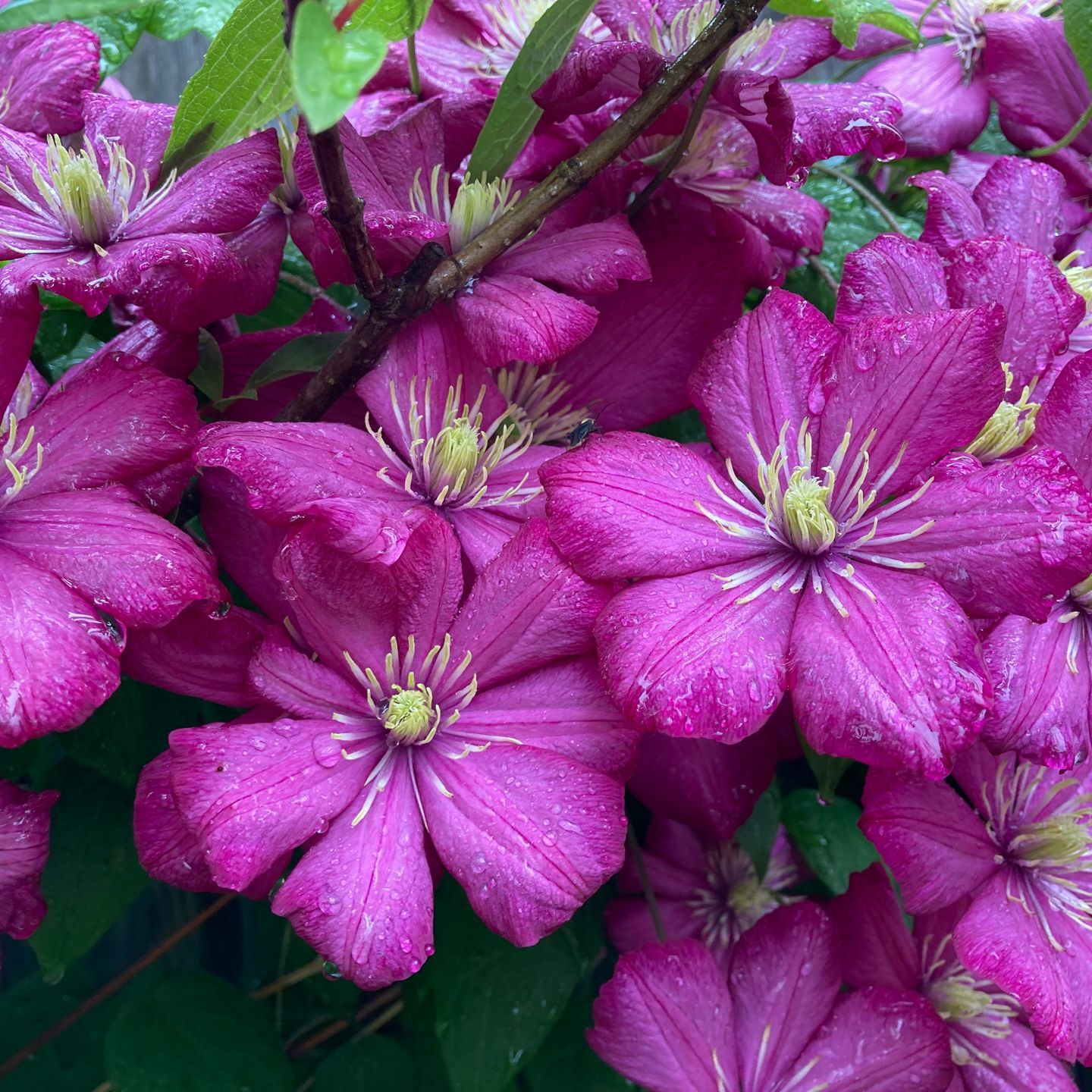
Clematis — A Favorite Among Pergola Climbing Plants
Clematis is one of the best climbing plants for a pergola because it delivers vibrant flowers without becoming overly heavy or difficult to manage.
The vine climbs by wrapping its stems around supports, making pergola beams and lattice perfect for its growth. In late spring and summer, star-shaped blooms appear in shades of purple, pink, white, and blue.
For best results: Plant clematis in full sun with cooler soil around the roots. Most varieties benefit from pruning in late winter or early spring.
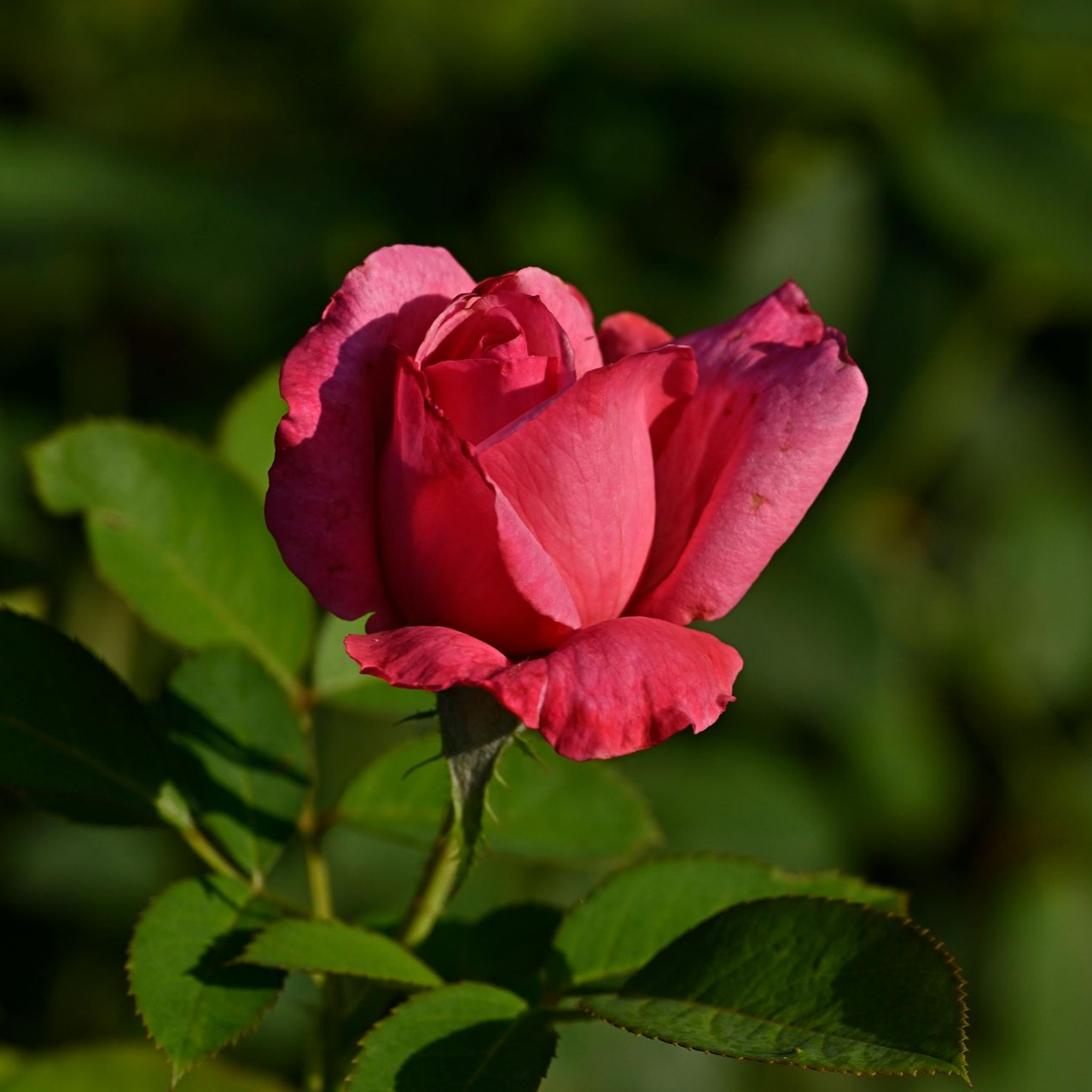
Climbing Roses for Classic Pergola Gardens
Climbing roses are ideal if you want your pergola to feel like part of a classic garden.
Unlike twisting vines, roses grow long canes that you guide along pergola posts and beams. In late spring and summer, clusters of blooms add rich color and a familiar rose fragrance to the space.
For best results: Grow climbing roses in full sun and prune once a year in late winter or early spring to encourage healthy flowering canes.
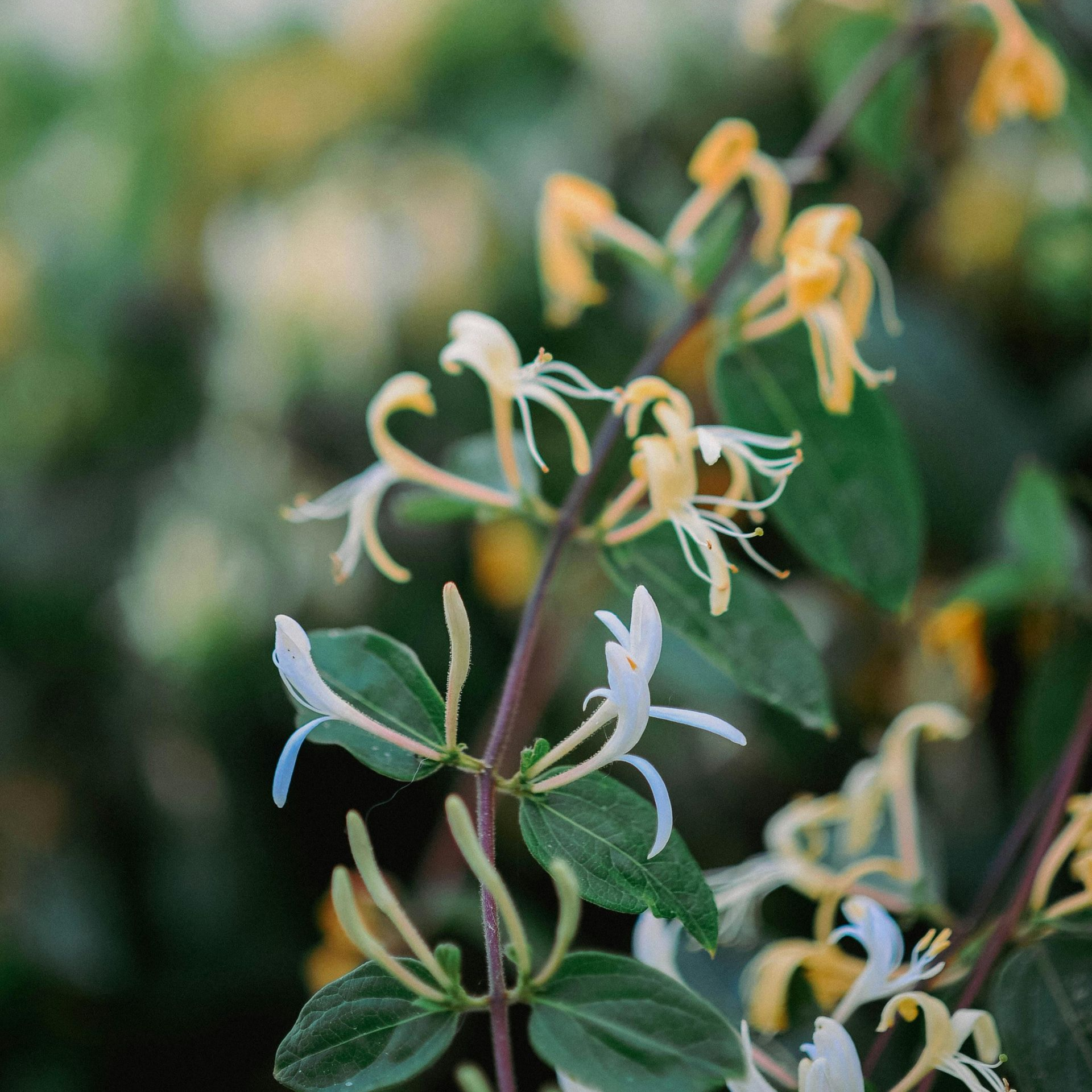
Honeysuckle for Fragrance and Pollinators
Honeysuckle is one of the fastest-growing pergola vines and a great choice if you want quick coverage.
The vine climbs easily along posts and beams, producing clusters of tubular flowers that attract hummingbirds and butterflies.
For best results: Plant honeysuckle in full sun to partial shade and prune lightly after flowering to keep the vine manageable.
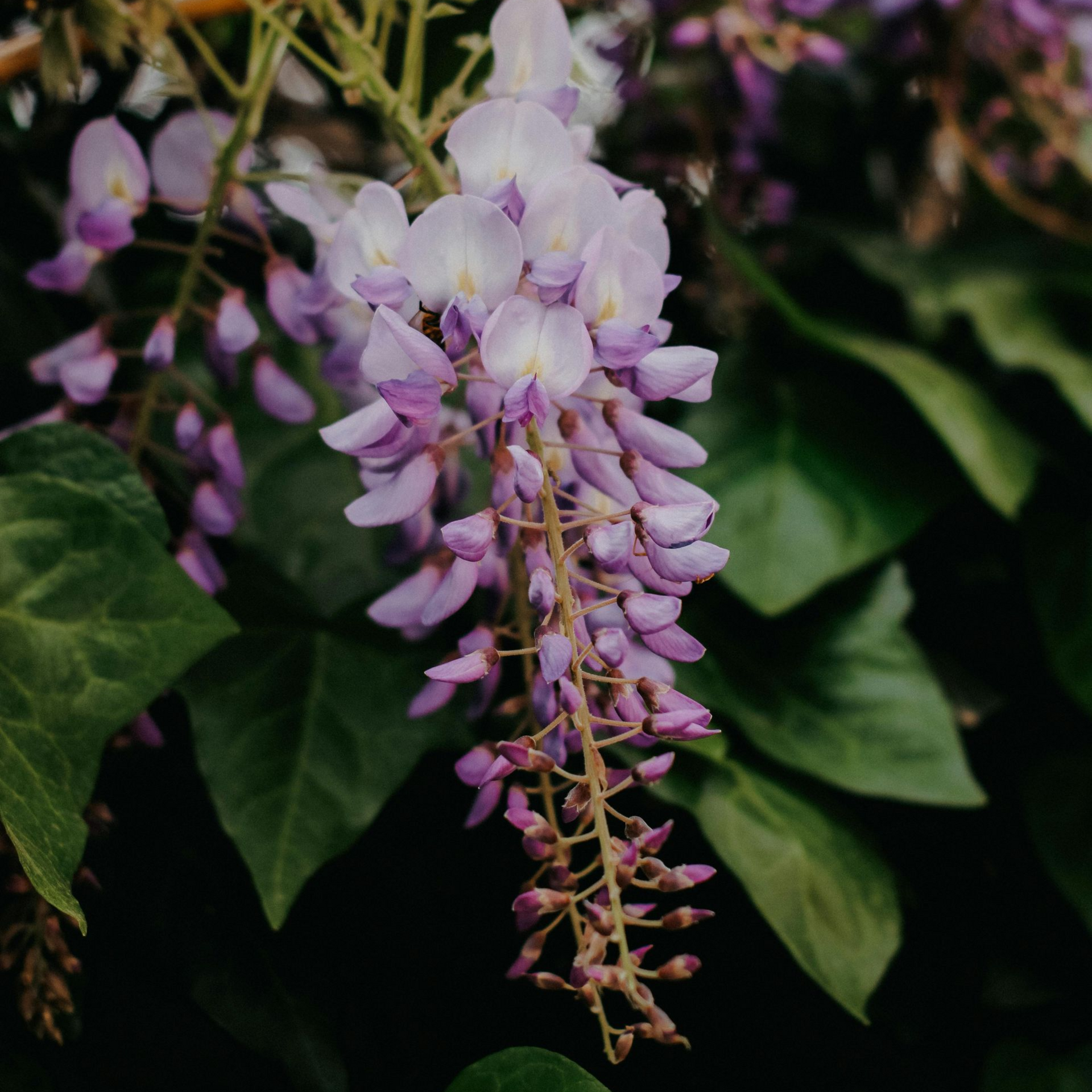
Wisteria for Dramatic Pergola Coverage
Wisteria creates one of the most dramatic pergola displays you can grow.
In spring, long clusters of purple or white flowers hang from the vines like natural chandeliers. The woody stems grow quickly and twist tightly around supports.
For best results: Grow wisteria in full sun and prune twice a year, once in summer to control growth and again in late winter to encourage blooms.
Grapevines for Natural Shade
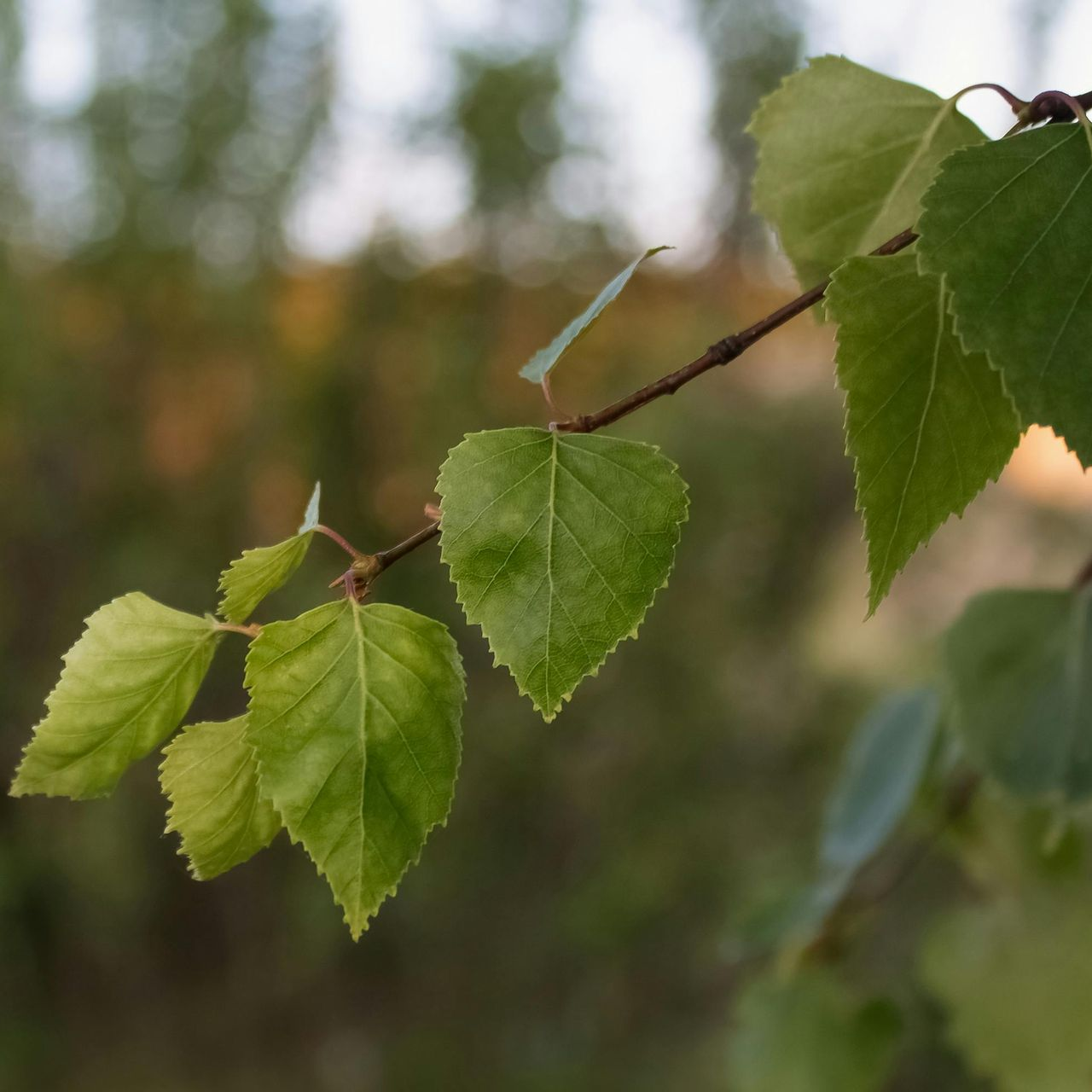
Grapevines are a traditional pergola plant because their broad leaves create excellent natural shade.
As the vines spread across the beams, the foliage forms a dense canopy that filters sunlight and cools the space below.
For best results: Plant grapevines in full sun and prune in late winter to maintain healthy growth and encourage fruit production.
Virginia Creeper for Fast Coverage
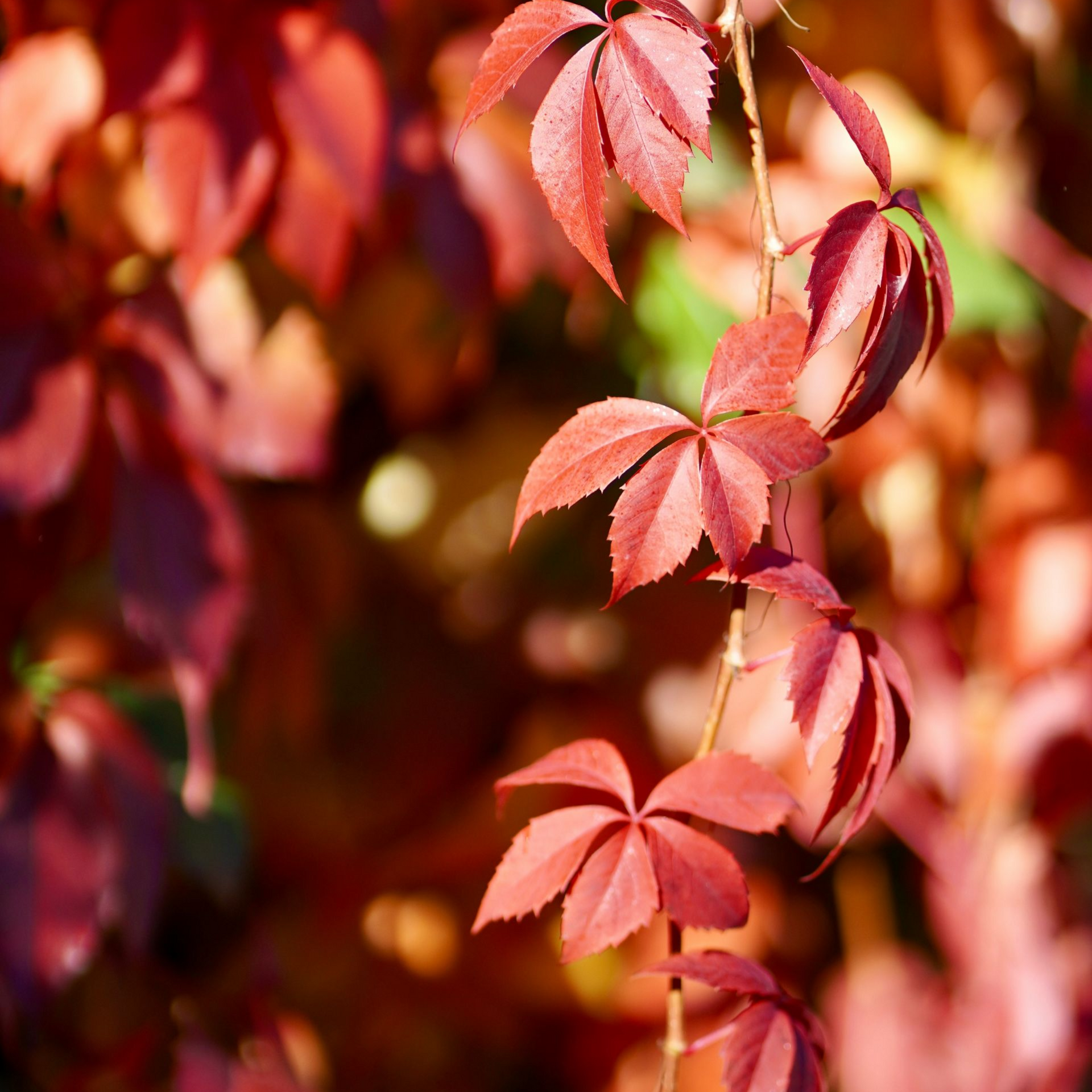
Virginia creeper is a hardy vine that quickly covers pergolas with dense foliage.
The plant climbs using adhesive pads that grip posts and beams as it spreads. During the growing season, it creates deep green coverage.
For best results: Grow Virginia creeper in sun or partial shade and prune occasionally to keep the vine from spreading beyond the pergola.
Low-Maintenance Plants
If you want minimal upkeep, clematis, honeysuckle, and Virginia creeper are some of the easiest climbing plants for pergolas.
How to Grow Vines on a Pergola
Once your pergola vines are planted, a little bit of coaching helps them grow in the right direction. Most climbing plants naturally seek out posts and beams, which provide the perfect path upward.
Plant Vines Near Posts
Plant vines close to pergola posts so the stems can easily reach the structure. This encourages the plant to climb upward rather than spreading across the ground.
Train Vines Upward
Young vines sometimes need a little help getting started. Gently guide the stems toward the posts or lattice beams using soft plant ties or garden twine.
Prune Regularly
Light pruning helps control growth and keeps vines from becoming tangled or overcrowded. Removing excess growth also encourages healthier flowering and foliage.
Support Mature Growth
As pergola vines mature, they can become surprisingly heavy. Thick stems and dense foliage can add significant weight to the structure over time. Annual pruning helps prevent structural issues.
Choose the Right Support Structure
Strong pergolas made from cedar or vinyl provide a stable framework for climbing plants. Compared with fences or the exterior walls of your home, a well-built pergola gives vines the strength and space they need to grow for many years.
How to Decorate a Pergola With Plants
Climbing plants create the canopy, but thoughtful accents can turn your pergola into a full garden retreat. Hanging baskets, containers, and surrounding plant beds add layers of color and texture that complement your pergola vines and bring the space to life.
Hanging Plants for a Pergola
Hanging baskets soften the lines of the structure and add flowers at eye level. They’re especially effective when suspended from pergola beams where blooms can spill gently downward. Some of the best options include:
- Petunias
- Ferns
- Trailing ivy
Planters and Garden Beds Around Pergolas
Planting flowers, shrubs, or ornamental grasses around the base of your pergola helps the structure feel connected to the surrounding landscape. Garden beds also give climbing plants a natural place to start their upward growth.
Layering Climbing and Hanging Plants
One of the most beautiful pergola gardens combines vertical vines with mid-level baskets and ground-level plantings. This layered approach creates depth and fills the space with greenery from top to bottom.
Designing a Pergola Garden With Cedar and Vinyl Pergolas
When you’re designing a pergola garden, the structure matters as much as the plants. A well-built
pergola gives vines room to climb, slowly creating the cool shade and relaxed atmosphere that make these spaces so inviting.
Cedar pergolas bring warm, natural tones that pair beautifully with flowering vines like roses, clematis, and wisteria. As the plants grow, the wood and greenery blend into a garden space that feels timeless.
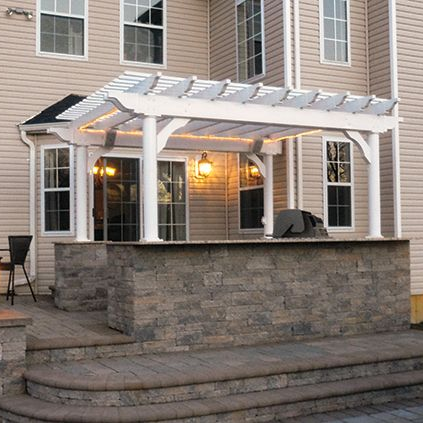
Vinyl pergolas offer a clean, smooth finish and exceptional durability. They’re available in multiple colors and design styles, making it easy to match your pergola to your home, patio, or garden while providing strong support for mature pergola vines.
Create Your Own Pergola Garden Retreat
Picture vines climbing the posts, flowers drifting through the beams, and soft shade settling over the space beneath. What begins as a simple structure slowly becomes a living garden canopy where summer air smells sweet.
If you’re exploring climbing plants for a pergola, start with a structure designed to support them. At Wyomissing Structures, you can find cedar and vinyl pergolas in styles and sizes that help you create a beautiful pergola garden.